Source Multi Function Cotton Bandana for Outdoor, Military, and Leisure
Source multi function cotton bandana from 30 verified listings. Compare specifications including material, size, and packing details for unisex adult and children's options. Evaluate suppliers based on customization availability and shipping terms from China; compare the available evidence and request quotations based on your requirements.
Key considerations
Products List


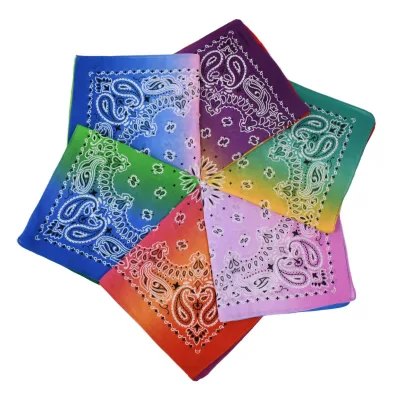
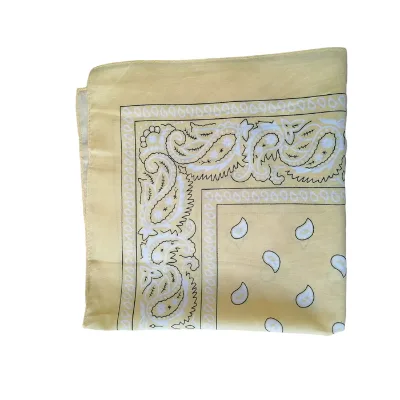


Comprehensive Sourcing Guide
Multi Function Cotton Bandana Sourcing Guide
Sourcing multi-function cotton bandanas requires careful attention to the specific variations in fabric composition and dimensions observed in the current market. Buyers must distinguish between products listed as 100% cotton and those blending cotton with polyester, as this choice directly impacts breathability, durability, and suitability for different environments. The observed listings indicate a range of sizes, from standard 22x22 inch squares to custom dimensions, necessitating precise specification checks before placing bulk orders to ensure the final product meets the intended use case.
Procurement teams should also verify the intended usage context, as the data shows these items are marketed for leisure, outdoor activities, and even military applications. The availability of customization options allows buyers to tailor the product for specific branding or functional needs, but this requires clear communication regarding pattern types and color requirements. Understanding that sample costs and lead times vary by color is essential for budgeting the initial development phase, ensuring that the timeline for getting a physical prototype aligns with the broader project schedule.
Product Scope and Observed Listing Signals
The product scope for multi-function cotton bandanas is defined by a distinct set of attributes including plain patterns, unisex gender targeting, and an age group spanning both adults and children. Listings frequently highlight the "Medium Long" or "General Long" length specifications, which suggest versatility in how the fabric can be tied or worn. The observed data confirms that these items are primarily categorized as bandanas, yet their application extends to sport and outdoor scenarios, requiring buyers to validate that the specific model number corresponds to the desired functional performance.
Buyers must navigate a wide range of packaging configurations, which vary from 12 pieces per polybag to bulk carton counts of 500 or 600 units. These packaging differences can significantly impact logistics costs and storage requirements, making it crucial to confirm the exact packing standard before finalizing the commercial agreement. Additionally, the presence of different model numbers like "gb12" or "jg-bc21" indicates that suppliers offer distinct product lines, and procurement teams should not assume that all listed items share identical material weights or finishing techniques.
Technical Specifications to Verify
Technical verification must begin with the fabric composition, as the supply data explicitly lists both 100% cotton and cotton-polyester blends. Buyers need to confirm the thread count or yarn specification, such as the observed "32x32s" or "21*21" standards, to ensure the fabric density matches the required durability for the intended application. The thickness is another critical variable, with listings ranging from "Normal" to "Medium," which will influence the bandana's ability to provide sun protection or absorb sweat effectively during physical activities.
Dimensional accuracy is equally vital, as the observed size specifications include fixed measurements like 22x22 inches alongside custom options. Procurement teams should verify the exact finished dimensions against the supplier's technical drawings, noting that some listings specify a standard of 55x55x78cm which may refer to a different product format or packaging dimension. Ensuring that the model number, such as "BYB0010A" or "triangle bandana," aligns with the requested shape and size is necessary to prevent mismatches between the ordered sample and the final bulk delivery.
Compliance and Safety Documentation
Compliance verification for cotton bandanas involves checking for relevant safety certifications that may apply to the specific end-use, such as CE or SGS standards observed in the listings. While some products are marked with specific standards like "SGS" or "CE," buyers must confirm that these certifications cover the specific batch and material composition being purchased, as standards can vary by production run. It is important to note that while GOTS is mentioned in background knowledge, it should not be assumed as a standard feature unless explicitly verified in the supplier's current documentation.
Safety documentation should also address the intended usage environment, particularly for items marketed for military or outdoor use where fabric flammability or chemical residue might be a concern. Buyers should request test reports that validate the absence of harmful substances, especially since the material composition varies between pure cotton and blends. The origin location, whether from Shanghai, Zhenjiang, or Jiangsu, may also influence the regulatory framework applicable to the goods, requiring a review of import regulations in the destination country to ensure full compliance.
Cost Drivers and Commercial Terms
Cost drivers for multi-function cotton bandanas are heavily influenced by the customization level, sample costs, and the complexity of the packaging requirements. The observed sample cost of USD 40 per color represents a significant upfront investment that must be factored into the total procurement budget, especially when multiple colorways are required for a single order. Additionally, the MOQ range of 1 to 10,000 units offers flexibility but also creates a variable cost structure where unit prices may fluctuate based on the volume ordered and the specific model selected.
Commercial terms must clearly define the loading port, which is frequently listed as Shanghai, and the preferred shipment method, whether by sea or air. These logistical choices directly impact the landed cost and delivery timeline, with air freight offering speed at a premium and sea freight providing cost efficiency for larger volumes. Buyers should also account for the sample lead time of 7-10 days when planning their production schedule, ensuring that the transition from prototype approval to mass production does not cause delays in the overall supply chain.
Supplier Qualification and Quality Control
Supplier qualification should focus on verifying the consistency of their production capabilities across different model numbers and material blends. The observed data shows multiple origins within China, including Jiangsu and Zhenjiang, which suggests a competitive market with varying levels of quality control. Buyers must assess whether the supplier can consistently maintain the specified thickness and fabric composition across large batches, as inconsistencies in these areas can lead to product rejection or customer dissatisfaction.
Quality control protocols must include a rigorous inspection of the packing standards, which vary from 12 pieces per polybag to 50 dozen per carton. Inconsistent packing can lead to damage during transit or difficulties in inventory management at the destination warehouse. It is essential to establish a clear acceptance criteria for the finished goods, ensuring that the physical sample matches the approved prototype in terms of size, color, and material feel before authorizing the release of the full production order.
Long-Term Procurement Checks
Long-term procurement success depends on establishing a reliable relationship with suppliers who can maintain consistent quality and delivery schedules over time. Buyers should regularly audit the supplier's ability to meet the specified lead times and sample costs, as these factors can change with market conditions or raw material availability. Maintaining open communication regarding any changes in material sourcing or production standards is crucial to preventing unexpected disruptions in the supply chain.
Continuous monitoring of the product specifications is necessary to ensure that the bandanas continue to meet the evolving needs of the target market. As the product is used for diverse applications ranging from leisure to military, the supplier must be adaptable to new requirements or design modifications. Establishing a feedback loop for quality issues and performance data will help buyers make informed decisions about future orders and ensure that the multi-function cotton bandanas remain a reliable component of their product portfolio.
FAQs
What materials are used for these bandanas?
The bandanas are primarily made from 100% cotton or blends of cotton and polyester. These materials ensure durability and comfort for various uses. The fabric quality supports both leisure and outdoor activities, providing a soft texture suitable for unisex wear. Customization options are available to meet specific material preferences for bulk orders.
Can I customize the size and packaging?
Yes, customization is available for both size and packaging. Standard sizes include 21x21 inches or 22x22 inches, with custom options also possible. Packaging typically involves 12 pieces per polybag, with carton quantities varying between 500 and 600 pieces depending on the specific model. This flexibility allows buyers to tailor orders to their distribution needs.
What is the sample cost and lead time?
The sample cost is USD 40 per color. The sample lead time is typically 7 to 10 days. This allows buyers to verify quality and specifications before committing to larger orders. The loading port is Shanghai, and shipments can be arranged by sea or air depending on urgency and volume requirements for efficient logistics planning.
What are the common usage scenarios for these bandanas?
These bandanas are designed for leisure, outdoor activities, and military use. They are suitable for adults and children, offering versatility in styling and function. The plain pattern and medium-long length make them ideal for various applications, from fashion accessories to practical gear. The unisex design ensures broad appeal across different demographics and usage contexts.
What certifications do the products hold?
Products may hold certifications such as SGS and CE, depending on the specific model and standard. These certifications indicate compliance with certain quality and safety benchmarks. Buyers should verify the specific certification status for their chosen model, as standards can vary. Customized standards are also available to meet specific regulatory requirements for different markets.
Where are these bandanas manufactured?
These bandanas are manufactured in China, with specific origins including Jiangsu and Zhenjiang. The loading port is Shanghai, facilitating international shipping. The production location ensures access to established supply chains and manufacturing expertise. Buyers can expect consistent quality and reliable production capabilities from these regions, supporting efficient sourcing and logistics management.